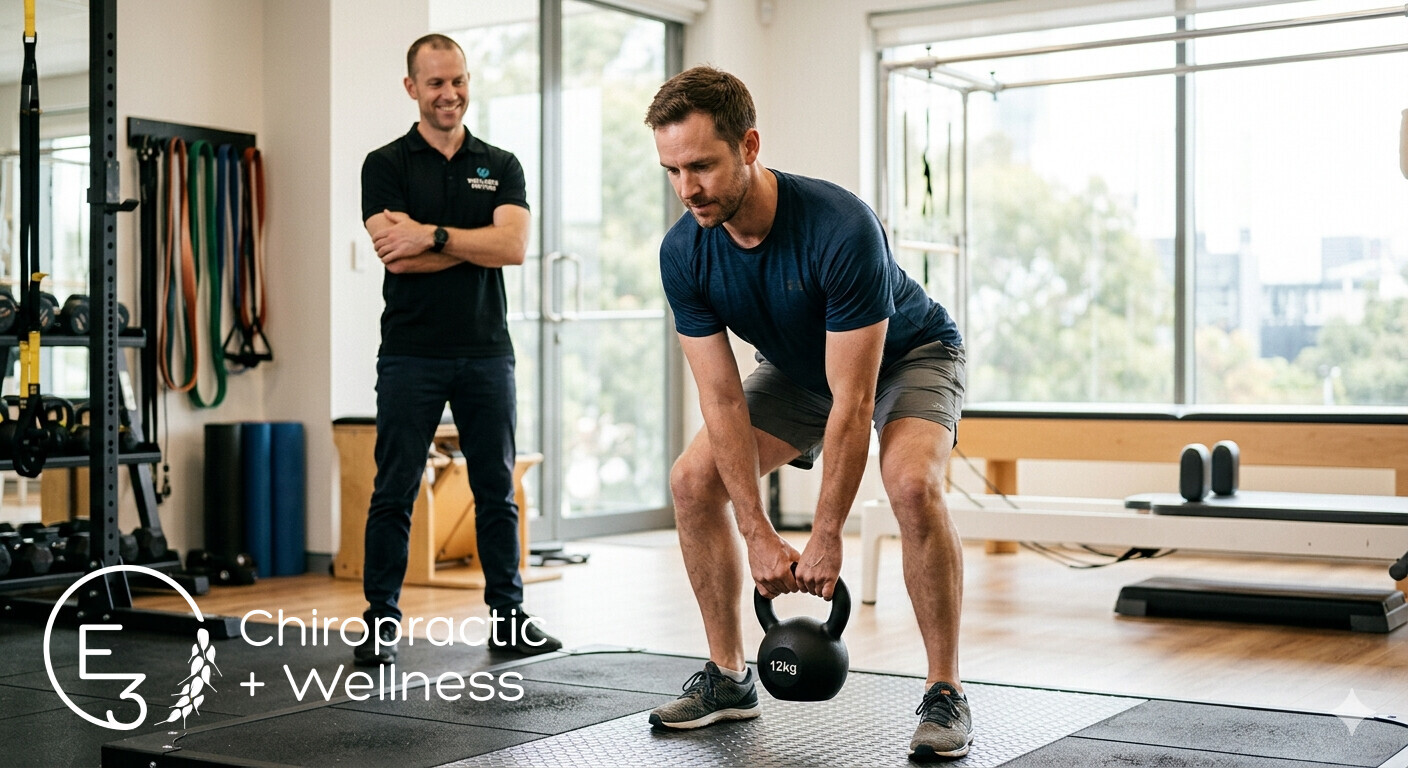
A lot of people walk into our clinic worried that something in their body is permanently damaged.
They’ve been dealing with pain for months. Maybe years.
And somewhere along the way, they started believing:
“My back is weak.” “My body is falling apart.” “I have to be careful with everything now.”
Honestly?
We understand why people feel this way.
When pain keeps showing up, it’s easy to lose confidence in your body.
Especially if you’ve been told things like:
- “Your back is just getting old.”
- “You should stop doing that exercise.”
- “You’ll probably just have to live with it.”
After hearing enough of that, you start moving differently.
You become cautious. You avoid certain movements. You stop trusting your body.
But here’s the thing.
Your body is usually far more adaptable and resilient than you think.
Pain does not always equal damage
This is one of the most important things people can understand.
Pain is real.
But pain does not automatically mean your body is severely damaged.
Think about a paper cut.
A tiny paper cut can hurt a lot.
Meanwhile, people sometimes have major bruises they barely notice until later.
Pain and damage are not always directly connected.
Your nervous system, stress levels, movement habits, sleep, recovery, and previous experiences all influence how pain feels.
That’s why two people can have similar findings on an MRI but feel completely different.
Why people start feeling fragile
Usually, it happens slowly.
Maybe your back flared up once.
Then you started avoiding bending over.
Then you stopped lifting heavier things. Then workouts became less consistent. Then normal movements started feeling scary.
Over time, your world gets smaller
.Not because your body is broken.
Because you stopped trusting it.
And honestly, fear changes the way people move.
Your body becomes guarded. Tense. Protective.
That often creates even more stiffness and discomfort.
The “perfect posture” trap
This is another thing we see constantly.
People become obsessed with sitting perfectly. Standing perfectly. Moving perfectly.
Because they’re afraid one wrong movement will “throw their back out.”
But your body was never designed to move perfectly all the time.
It was designed to adapt.
The problem usually isn’t one bad posture or one awkward movement.
The problem is often that your body has lost tolerance and confidence over time.
Your body gets stronger through movement, not avoidance
Think about going to the gym.
If you never challenge a muscle, it doesn’t get stronger.
Your body works similarly with movement.
The more you avoid everything, the more sensitive and deconditioned your body often becomes.
Now, this doesn’t mean you should ignore pain and force through everything.
But it does mean that gradually rebuilding movement and confidence matters.
A lot.
A quick story you might relate to
One patient came into the clinic convinced their back was “too fragile” to exercise anymore.
They had experienced several flare-ups over the years.
Every time it happened, they became more careful.
Eventually they stopped doing almost everything they enjoyed.
No workouts. No lifting. No sports.
Even simple movements started feeling intimidating.
When we assessed how they moved, we found something important.
Their body wasn’t weak because it was damaged.
Their body had simply lost confidence, strength, and tolerance after years of fear and avoidance.
So instead of treating them like they were fragile, we started rebuilding trust in their body step by step.
Not overnight.
But gradually, they started moving better again.
Less fear. More confidence. More freedom.
And honestly, that’s one of the biggest wins we can help people achieve.
Why movement matters for recovery
Your body responds to what you repeatedly do.
If you stop moving completely, your body adapts to inactivity.
Joints get stiffer. Muscles weaken. Confidence drops.
But when movement is introduced the right way, your body adapts positively too.
That’s why so many people feel better once they finally start moving consistently again.
Movement gives your body information.
It reminds your nervous system:
“This is safe.”
What actually helps long-term
At E3 Chiropractic + Wellness, we focus on helping people stop feeling trapped by pain.
Dr. Kurtis, Dr. Zach, and Dr. Layne work to understand:
- How your body moves
- What your body is compensating for
- Where you’ve lost strength or confidence
- What movements feel threatening to your nervous system
- How to rebuild tolerance gradually
Because recovery is rarely about simply “fixing” one area.
It’s often about helping your body trust movement again.
What you can start doing right now
If pain has made you afraid of movement, here are a few important reminders.
1. Stop assuming pain automatically means damage
Pain is information.
Not always injury.
That mindset shift matters.
2. Don’t avoid movement forever
Avoiding movement may help temporarily.
But long-term avoidance often increases stiffness, weakness, and fear.
3. Rebuild confidence gradually
You don’t need to jump straight back into everything.
Small wins matter.
Your body responds to consistency.
4. Focus on what your body can do
A lot of people get stuck focusing only on limitations.
But rebuilding confidence starts by recognizing progress, even small progress.
The bottom line
Your body is probably less fragile than you think.
Yes, pain can be frustrating. Yes, flare-ups can be discouraging.
But your body is designed to adapt, heal, and become more resilient over time.
When you stop treating your body like it’s broken and start understanding what it actually needs, things can finally start changing.
What to do next
If you’re tired of feeling limited, cautious, or afraid of movement because of pain, you don’t have to stay stuck in that cycle.
At E3 Chiropractic + Wellness, Dr. Kurtis, Dr. Zach, and Dr. Layne help people every day rebuild confidence in their body and get back to moving without fear.
We’ll help you understand what’s actually going on and create a plan that makes sense for your body and your goals.
When you’re ready, click HERE to book a discovery call with us today, and start getting some real answers.