.webp)
How many times have you heard someone say:
"Getting older just means you're going to hurt."
Or maybe you've even said it yourself."
My back has bothered me for years."
"My neck is always stiff."
"I guess this is just part of life now."
After hearing those messages enough, it's easy to believe them.
So instead of looking for answers, you start adjusting your life around the pain.
You stop golfing.
You avoid picking up your grandkids.
You skip workouts.
You turn down hikes with friends because you're worried your back won't cooperate.
Little by little, pain starts making decisions for you.
At E3 Chiropractic + Wellness, we see this happen far too often.
And here's the thing.
While some aches and pains are common, they shouldn't simply become something you accept without asking why they're happening.
Your body is designed to adapt
Think about everything your body has done for you over the years. It has carried you through work. Sports. Family life. Weekend projects. Long road trips. Your body is incredibly resilient. When something starts hurting, it's often not because your body has suddenly become weak. It's because your body is asking for a little more attention. That's an important difference.
Pain changes more than just your body
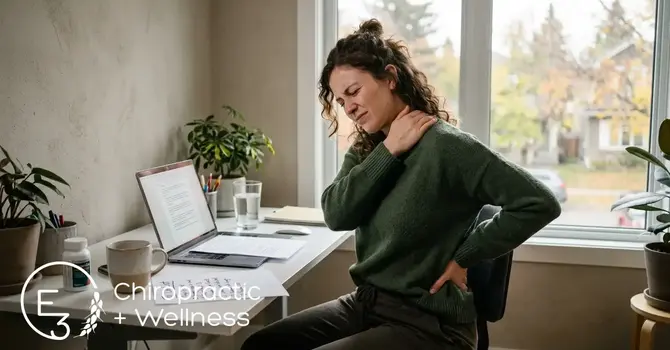
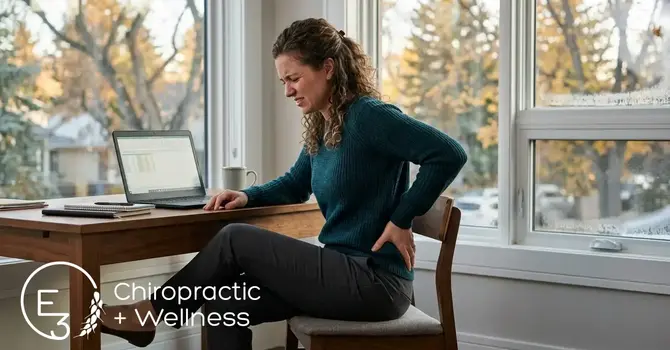
Most people think pain only affects the area that hurts. But over time, it starts changing your habits too. Maybe you stop bending down because your lower back hurts. Maybe you avoid turning your head because your neck feels stiff. Maybe you stop exercising because you're afraid of making things worse. At first, these changes seem small. But over months or years, they add up. Your world gets a little smaller. Not because you want it to. Because you're trying to avoid discomfort.
Why people wait too long
We understand why people put it off.Life gets busy. Work needs to get done. Kids need to be picked up. There are always other priorities. And if the pain comes and goes, it's easy to convince yourself it isn't a big deal. Until one day it is. That's when we often hear: "I wish I had looked into this sooner."
Pain isn't something to fear, but it is something to understand
Here's something we tell patients all the time. Pain is information. It's your body's way of getting your attention. That doesn't automatically mean something is seriously wrong. But it does mean it's worth paying attention. Ignoring recurring pain is a little like ignoring a warning light on your dashboard. The light isn't there to scare you. It's there to let you know something deserves a closer look.
A story you might relate to
One patient came into the clinic because their lower back had been bothering them for almost three years. The pain wasn't severe. It just kept showing up. They had slowly stopped doing many of the things they loved. No more long walks. No more weekend bike rides. No more helping friends move furniture. Not because they couldn't. Because they were afraid of paying for it the next day. When we sat down and talked, they admitted something that really stood out. "I don't even remember what it feels like to move without thinking about my back. "That wasn't the kind of life they wanted. After assessing how they moved, we found several areas that weren't working together the way they should. We created a plan that focused on improving movement, building confidence, and helping them get back to the activities they enjoyed. It didn't happen overnight. But week by week, they started trusting their body again. And that's one of the most rewarding parts of what we do.
What you can do if you've been "living with it"
If pain has become your normal, here are a few things to remember.
1. Stop assuming it's just age. Age changes our bodies. But recurring pain isn't something you automatically have to accept. Your body is capable of adapting at almost any stage of life.
2. Pay attention to what you've stopped doingSometimes the biggest sign that pain is affecting your life isn't the pain itself. It's the activities you've quietly given up. Ask yourself:What am I avoiding? What do I wish I could do more comfortably? What have I stopped saying yes to? Those answers matter.
3. Don't wait for the pain to become unbearable. Many people think they should only seek help when the pain is severe. But recurring discomfort, even if it's mild, is worth understanding. The sooner you understand what's contributing to it, the easier it often is to make meaningful progress.
4. Remember that your body is adaptable. One of the most encouraging things we see is how well the body can respond when it's given the right support. Movement. Strength. Recovery. Good habits. These things matter. And small improvements can lead to big changes over time.
The bottom line
You don't have to settle for simply "living with it." Pain may have become familiar, but that doesn't mean it has to define your life. Understanding why your body hurts is often the first step toward feeling more confident, moving more comfortably, and getting back to the things you enjoy. And that's a goal worth working toward.
What to do next
If you've been putting up with lower back pain, neck pain, headaches, or stiffness because you thought it was just part of getting older, you don't have to keep wondering. At E3 Chiropractic + Wellness, Dr. Kurtis and Dr. Layne help people every day understand what's driving their symptoms and create a plan that's built around their goals, not just temporary pain relief.
When you're ready, click HERE to book a discovery call with us today, and start getting some real answers.