
.webp)
You finally have a day off.
No work.
No gym.
No errands.
You think, "Perfect. My body can finally rest."
So you spend most of the day on the couch.
Maybe you watch a few shows, scroll your phone, and barely move until it's time for bed.
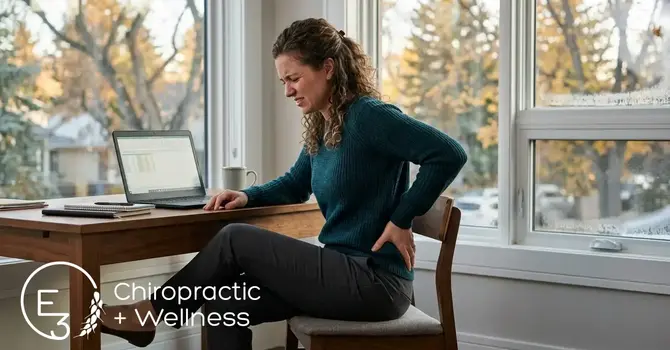
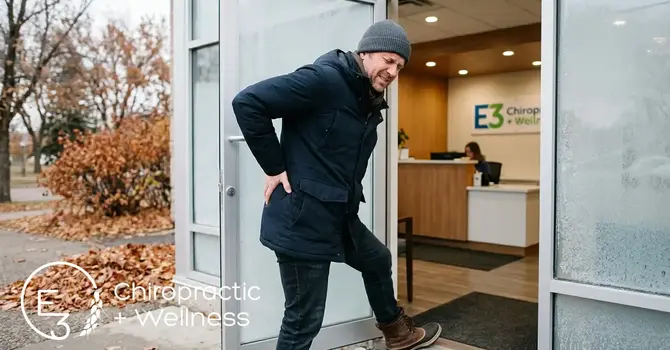
Then the next morning...Your lower back feels stiff.
Your hips are tight.
Your neck doesn't want to turn.
And you're wondering:"How can I feel worse when I didn't even do anything?"
If you've experienced this, don't panic.
You're not imagining it.
And it doesn't necessarily mean your body needs more rest.
Sometimes, it needs more movement.
Rest and movement are both important
Here's the thing. Your body needs recovery. If you've had a long week, taking some time to slow down can be exactly what you need. But there's a difference between resting and not moving. Rest gives your body a chance to recover from physical and mental demands. Too much inactivity, on the other hand, can leave your joints and muscles feeling stiff. Think about a door that doesn't get opened for months. When you finally try to move it, it may feel stiff at first. Your body can feel similar after spending an entire day in one or two positions.
Your body likes variety
Your body wasn't designed to do one thing all day. It likes to walk. Bend. Reach. Rotate. Stand. Sit. Stretch. Change positions. That's why you may feel worse after a long day on the couch but better after going for a short walk. You're giving your body something it hasn't had for several hours:movement. And it doesn't have to be intense. You don't need to run five kilometres or complete a hard workout. Sometimes your body just needs you to get up and move around.
Why stiffness can show up after doing "nothing"
Imagine your body is like a sponge. When you keep it in one position for a long time, it can start to feel a little rigid. Start moving it around, and it becomes easier to work with again. That's one reason you might feel stiff when you first get off the couch but gradually loosen up after walking around the house. The stiffness isn't necessarily a sign that you've injured yourself. It may simply be your body's response to being still for too long.
Your hips and lower back may notice it first
For many people, the lower back and hips are where this stiffness shows up. Especially if you already spend most of your workweek sitting. Think about the week: Monday through Friday, you're at your desk. You drive to work. You sit during meetings. You sit for dinner. Then Saturday arrives and you decide to do absolutely nothing. That's a lot of time spent in relatively similar positions. By Sunday, you might feel like your body needs a reset.
Your neck can feel it too
The same thing can happen with your neck. Maybe your "day off" involves lying on the couch with your head propped against a pillow while looking down at your phone. You aren't doing anything physically demanding. But your neck is still spending hours in one position. Then you get up and wonder why it feels tight. Again, your body is simply responding to what you've been asking it to do.
A story you might relate to
One patient came into E3 Chiropractic + Wellness because they felt stiff every Monday. At first, it didn't make sense. They had a physically demanding job during the week. So they assumed Saturday and Sunday should be the time their body recovered.
But most weekends, they spent nearly the entire day sitting. By Monday morning, their lower back and hips felt stiff and uncomfortable. Once we looked at their entire routine, the pattern became much clearer. Their body wasn't necessarily struggling with work.
It was struggling with the dramatic difference between being active during the week and almost completely inactive on the weekend. We helped them find simple ways to keep moving on their days off without turning their weekend into another workout. And that made a noticeable difference in how they felt heading into Monday.
You don't need to turn your day off into a workout
This is important. If you're exhausted, you don't need to force yourself through a hard workout just because you're worried about stiffness. Recovery still matters.Instead, think about gentle movement. Take a walk. Go outside. Do a few easy stretches. Play with your kids. Work around the house. Get up during a movie. Walk around while you're on the phone. These little moments add up.
What can you do on your next day off?
1. Take a walk
It doesn't need to be long. Even a short walk can help break up long periods of sitting.
2. Change positions regularly
If you've been sitting for an hour, stand up. If you've been lying down, walk around. Give your body some variety.
3. Don't wait until you're stiff
You don't have to wait until your back starts hurting before you move. Think of movement as something you give your body throughout the day.
4. Pay attention to patterns
If you consistently feel worse after resting, that's useful information. It may be worth looking at how much movement you're getting throughout your week.
What if rest actually makes your pain worse?
If you've noticed that your symptoms consistently flare up after long periods of inactivity, don't assume you simply need to push harder. There can be many reasons someone experiences pain or stiffness, and everyone's situation is different. The important thing is to understand what's happening rather than constantly guessing. Sometimes the answer isn't more rest. Sometimes it isn't more exercise either. It may be finding the right balance for your body and your current level of activity.
The bottom line
Having a day off is a good thing. Your body needs recovery. But recovery doesn't have to mean staying completely still. If you regularly wake up feeling stiff after a day spent on the couch, your body may be telling you it needs a little more movement and variety. You don't need to train harder. You don't need to become obsessed with stretching. You may simply need to give your body more opportunities to move throughout the day. And if you're dealing with recurring pain, that's worth understanding too.
What to do next
If your lower back, neck, hips, or everyday aches seem to get worse whenever you slow down, you don't have to keep guessing why.
At E3 Chiropractic + Wellness, Dr. Kurtis and Dr. Layne take the time to understand your symptoms, your daily routine, how your body moves, and what you want to get back to doing.
Sometimes getting better isn't about doing more. It's about understanding what your body actually needs. When you're ready, click HERE to book a discovery call with us today, and start getting some real answers.

.jpg)
